AI Image Generation vs. Human Creativity: Where’s the Line?
The Rise of AI Image Generation
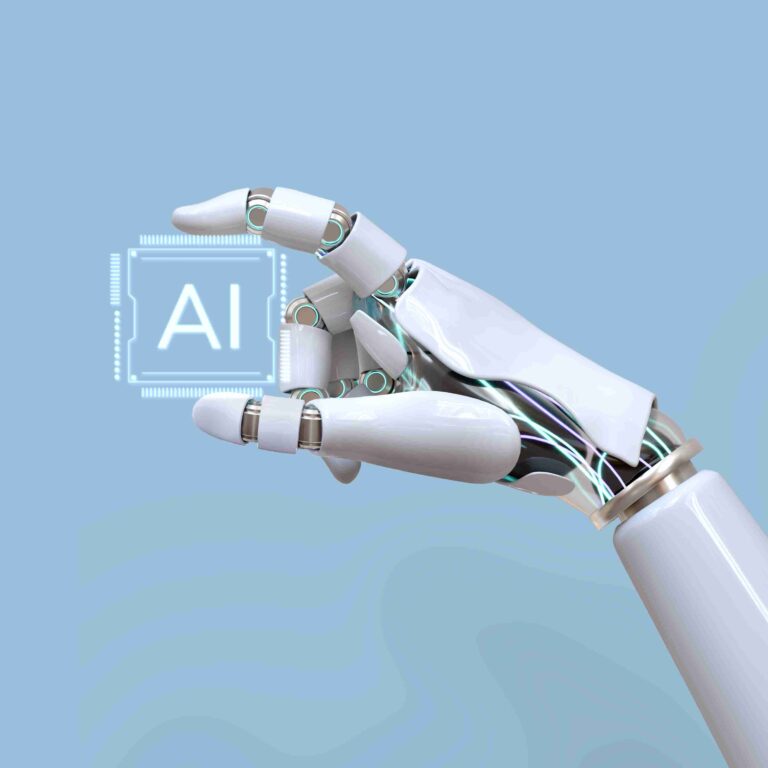
AI image generation has taken the design world by storm. With platforms like MidJourney, DALL·E, and Stable Diffusion, anyone can create striking visuals from a few text prompts. For designers, these tools can spark inspiration, speed up ideation, and deliver assets in minutes. The question, however, isn’t whether AI is powerful—it’s how it fits into the creative process without overshadowing human imagination.
What AI Does Best
AI excels at speed and variety. It can generate dozens of unique images instantly, test out different styles, and provide inspiration when a project feels stuck. This makes it especially useful for brainstorming, mood boards, and client presentations. By taking care of the initial “what if” stage, AI allows designers to see possibilities they may not have explored on their own.
Where Human Creativity Stands Apart
Despite its speed, AI cannot replicate the depth of human creativity. A designer brings cultural context, emotional intelligence, and brand storytelling to the table—things a machine cannot fully understand. While AI creates, it does not curate with meaning. A campaign or brand identity relies on intention, nuance, and human judgment, which remain irreplaceable.
Collaboration Over Competition
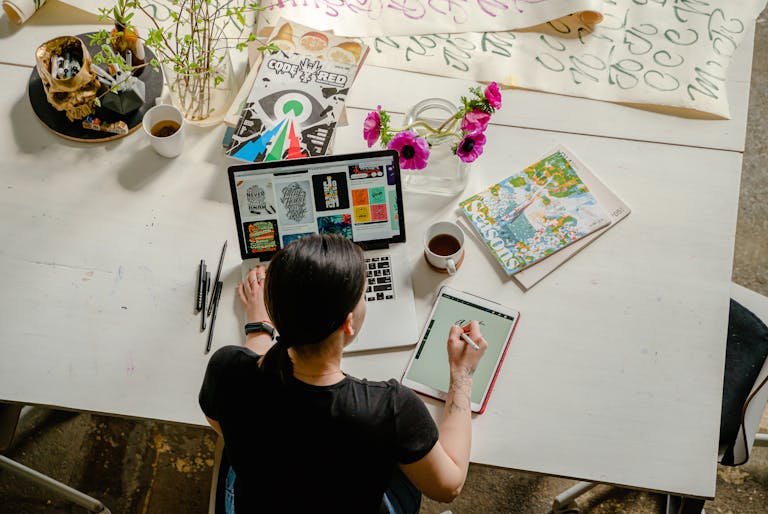
The most effective approach is collaboration. Designers can use AI for rapid prototyping and concept development while applying their expertise to refine outputs into final work. This hybrid workflow balances efficiency with authenticity, ensuring the end result feels original and aligned with a brand’s identity.
Ethical and Creative Boundaries
As AI becomes more common, ethical questions also arise. Who owns AI-generated art? How do we ensure originality when tools are trained on existing images? Designers must set boundaries—using AI as a tool rather than a crutch, and always adapting results to create unique, brand-specific work.
Practical Tips for Designers
Use AI for exploration, but don’t rely on it to define your project. Always refine outputs to match client needs. Be transparent about when AI is part of your workflow, and stay informed about copyright rules as the technology evolves. Most importantly, treat AI as a creative assistant, not a replacement.
The Future of Human + AI Design
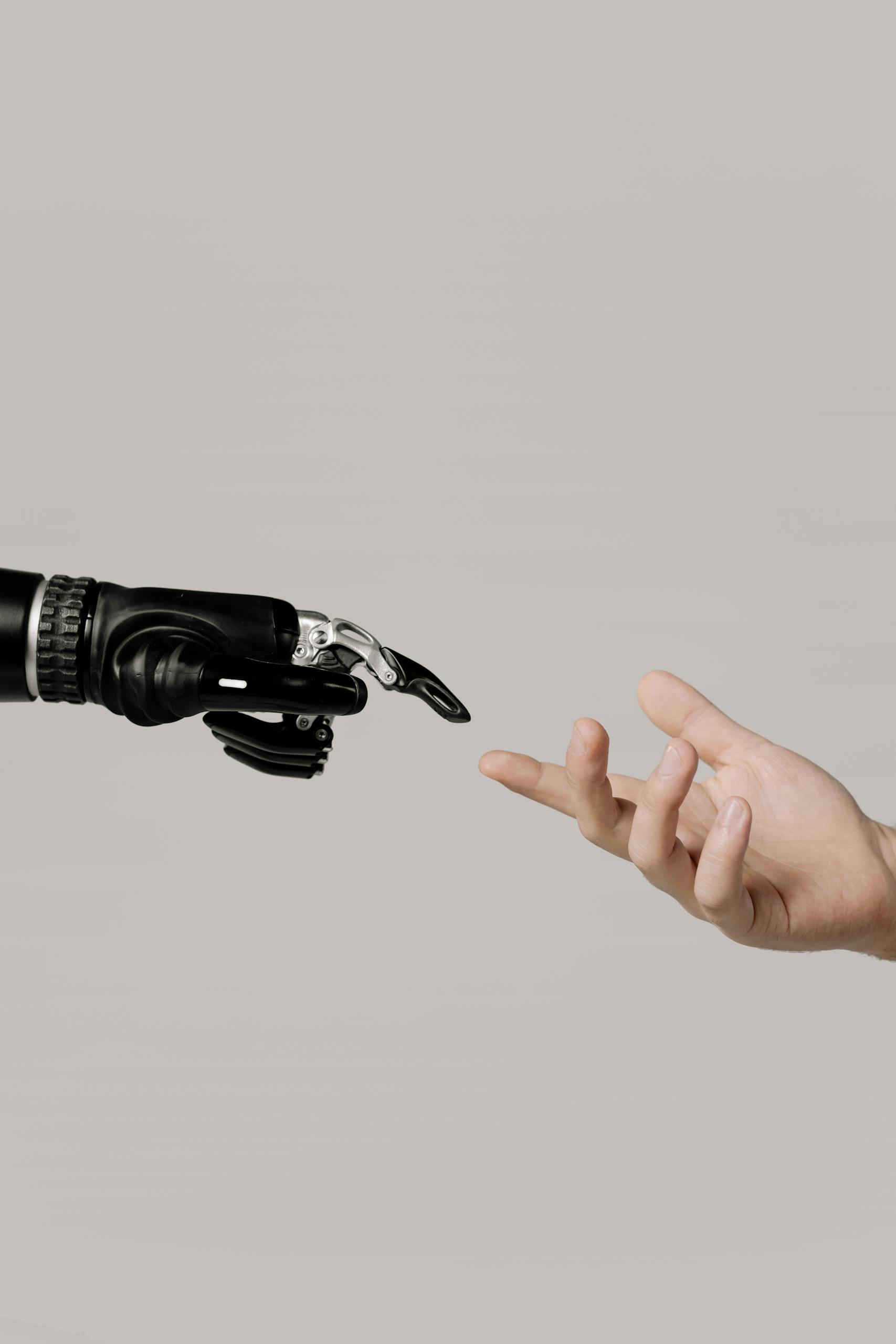
The line between AI and human creativity isn’t about who “wins”—it’s about how both can work together. The future of design belongs to those who know how to use AI for efficiency while keeping human creativity at the core. Emotion, storytelling, and vision will always require a human hand, but AI can help bring those ideas to life faster than ever.