How AI is Transforming Graphic Design: Tools, Trends, and Tips
The Rise of AI in Design
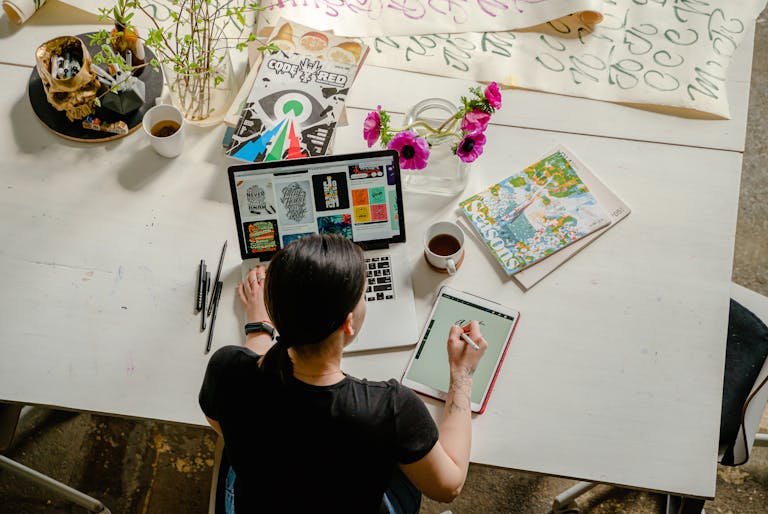
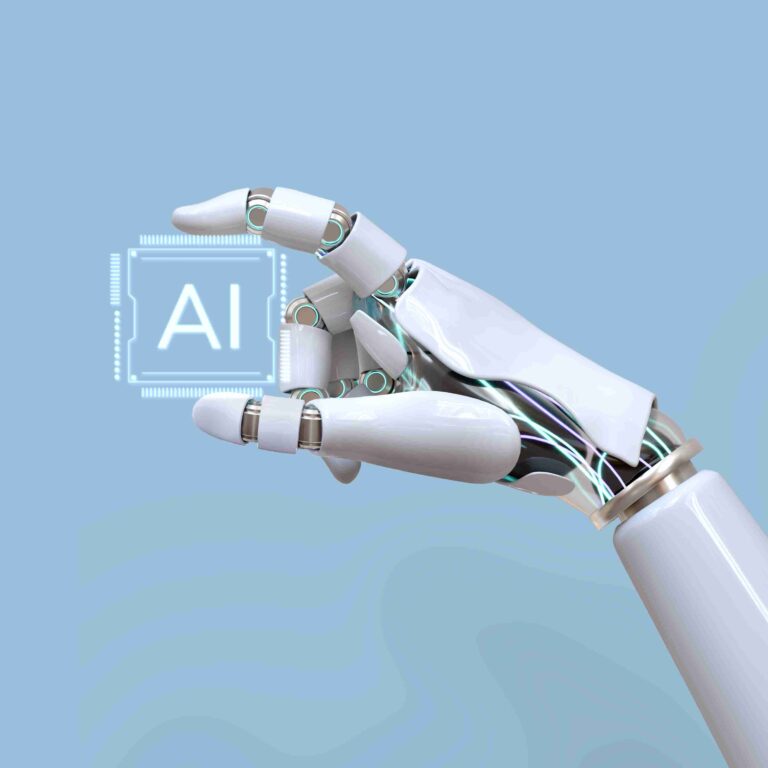
Artificial Intelligence is reshaping the way we approach creativity. Graphic design, once fully dependent on manual skill, is now supported by smart technology that can generate layouts, experiment with colors, and even create illustrations in seconds. Rather than replacing designers, AI is becoming a partner that helps speed up the process, spark new ideas, and reduce repetitive tasks. This shift allows creatives to focus more on storytelling and strategy while leaving routine edits and adjustments to intelligent tools.
AI Tools That Every Designer Should Know
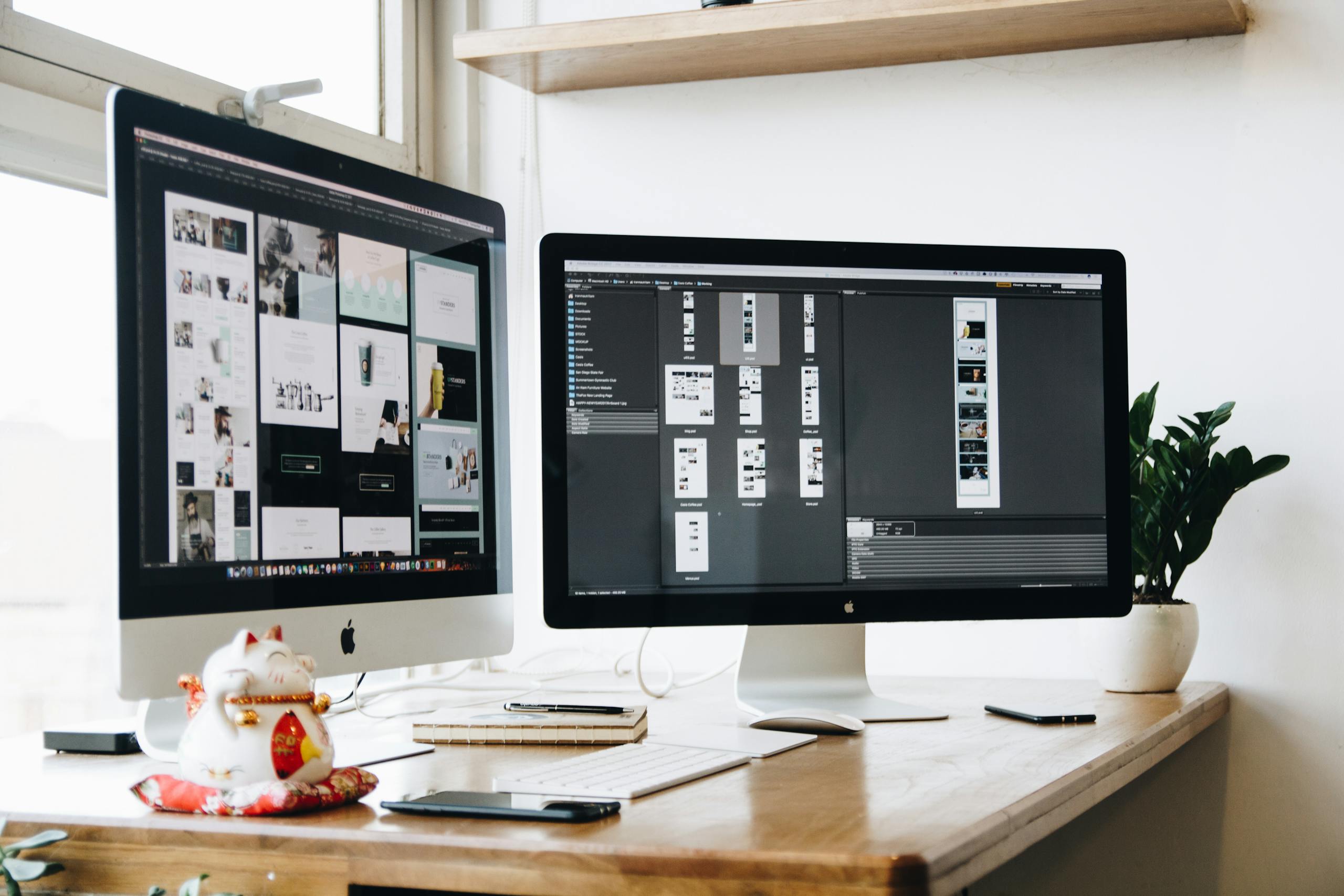
Design software has rapidly evolved with AI integration. Canva offers AI-powered resizing, background removal, and instant template suggestions. Adobe Firefly enables image generation and precise edits directly inside Creative Cloud. MidJourney and DALL·E give designers access to endless inspiration by creating unique images from text prompts. Even Figma now uses AI features to automate layouts. These tools are not meant to take over but to enhance efficiency and provide more creative options.
Key Trends in AI-Driven Graphic Design
One of the biggest trends is personalized design—using AI to create visuals tailored to different audiences. Generative design is also growing, where AI produces multiple logo or layout options within minutes. Dynamic content, such as AI-generated animations and typography, is becoming more common as businesses seek engaging visuals for social media and digital campaigns. These trends show that design is becoming more adaptive and fluid, moving toward content that adjusts in real time to platforms and user preferences.
Tips for Designers Using AI Responsibly
While AI makes design faster, it’s important to use it strategically. Designers should treat AI as a creative assistant rather than a replacement. Always refine AI outputs to ensure brand consistency and originality. Stay aware of copyright issues and avoid using unedited, generic results. Learn how to give clear prompts so AI generates more accurate outputs. Most importantly, use AI for what it does best—speed, automation, and variety—while keeping the human touch for emotion, storytelling, and brand voice.
The Future of Graphic Design with AI
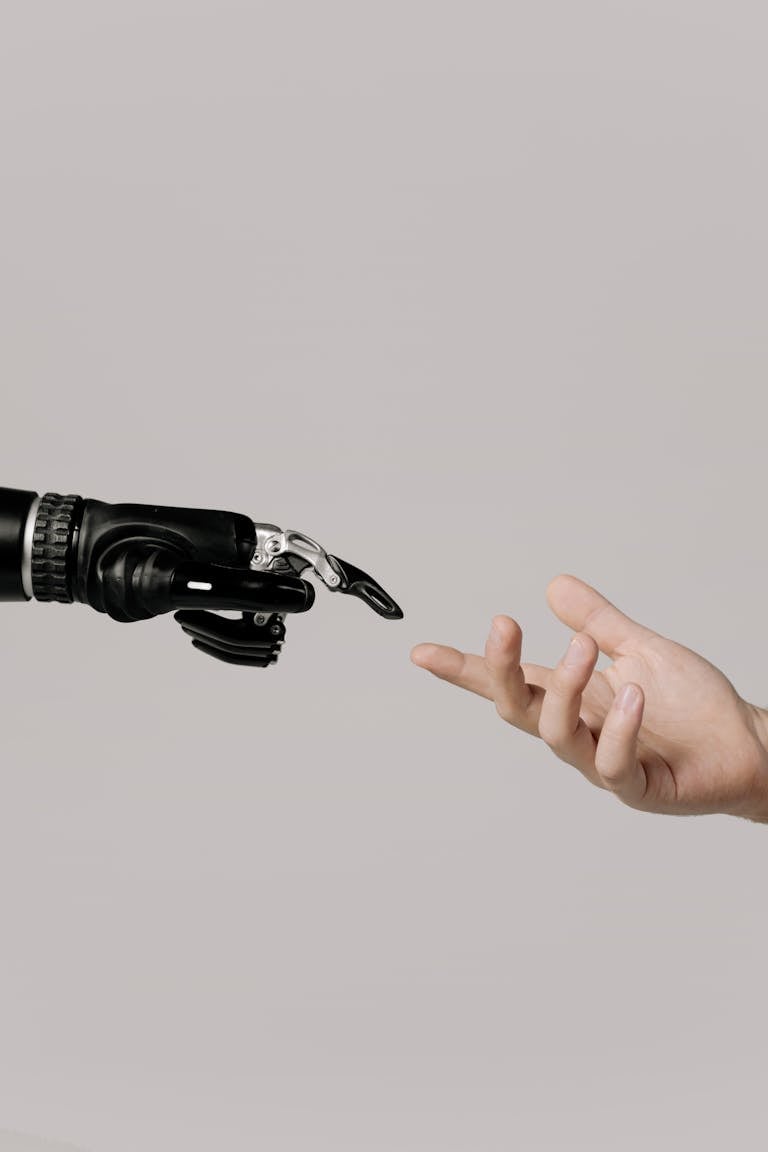
AI will continue to change graphic design, but it won’t eliminate the need for designers. Instead, it will redefine their role. The future designer will be less of a technical executor and more of a creative director, guiding AI tools to bring unique visions to life. Those who embrace AI early will not only save time but also unlock new creative possibilities. The real transformation lies in collaboration—designers who combine imagination with intelligent technology will lead the next era of creativity.